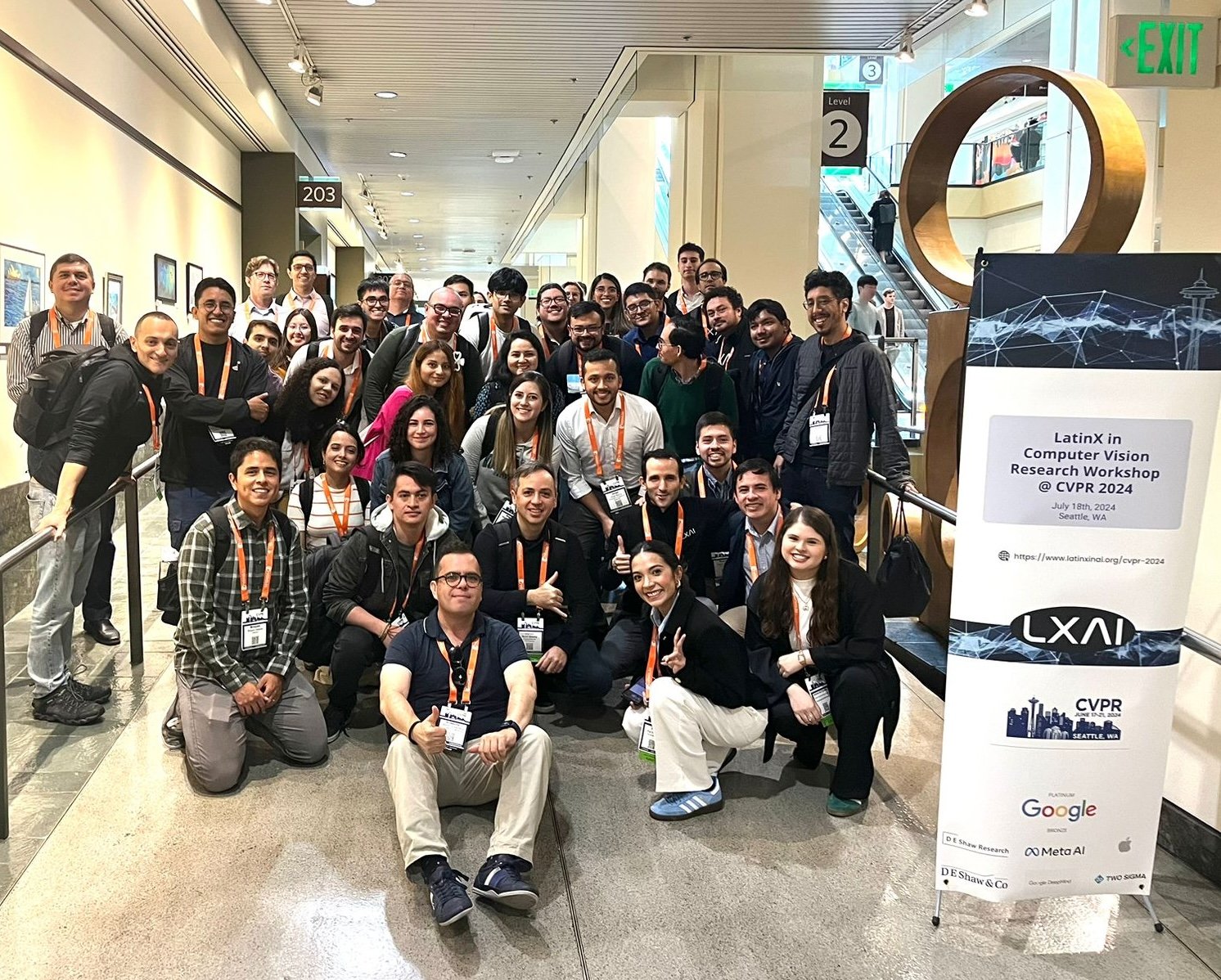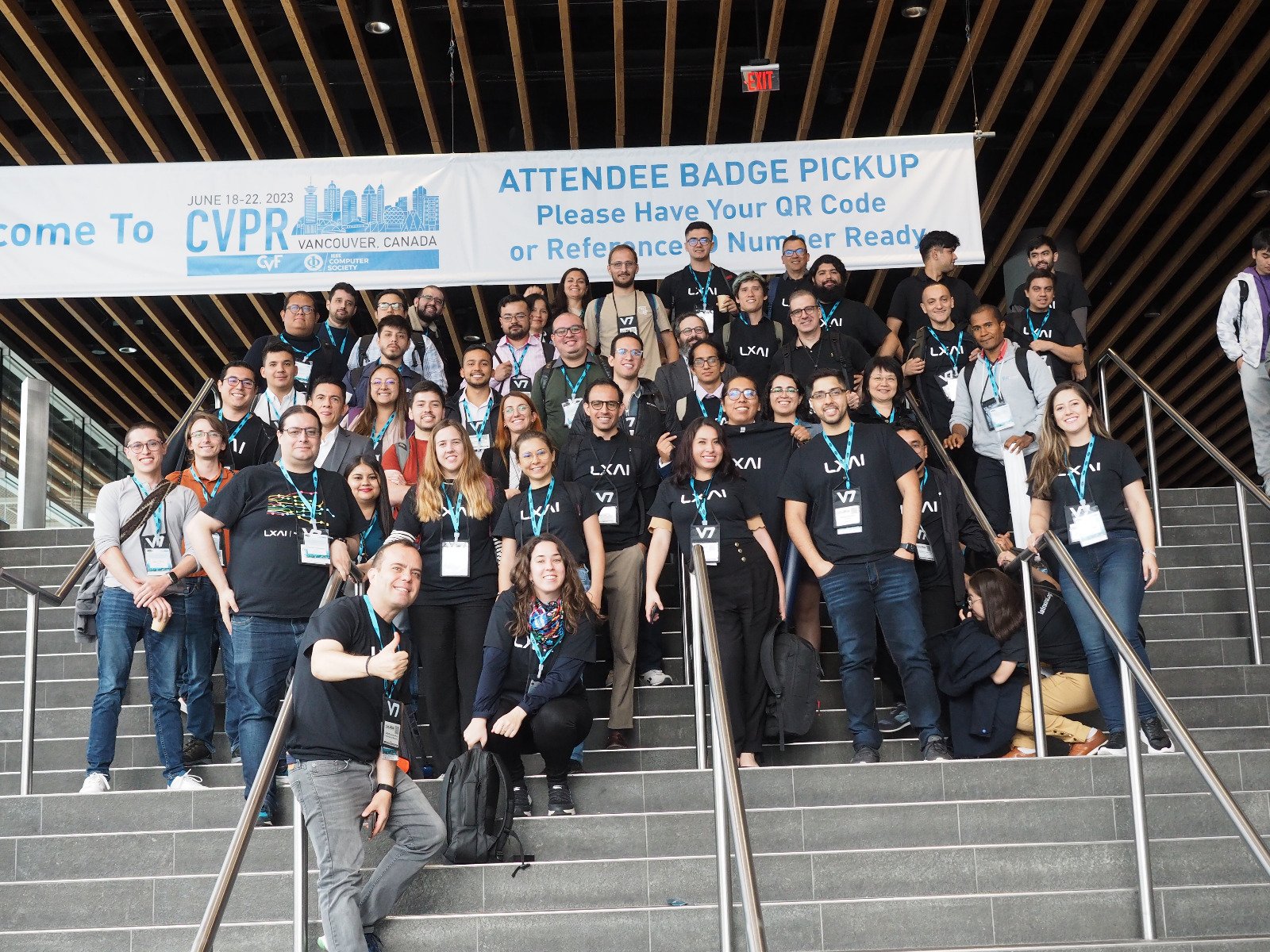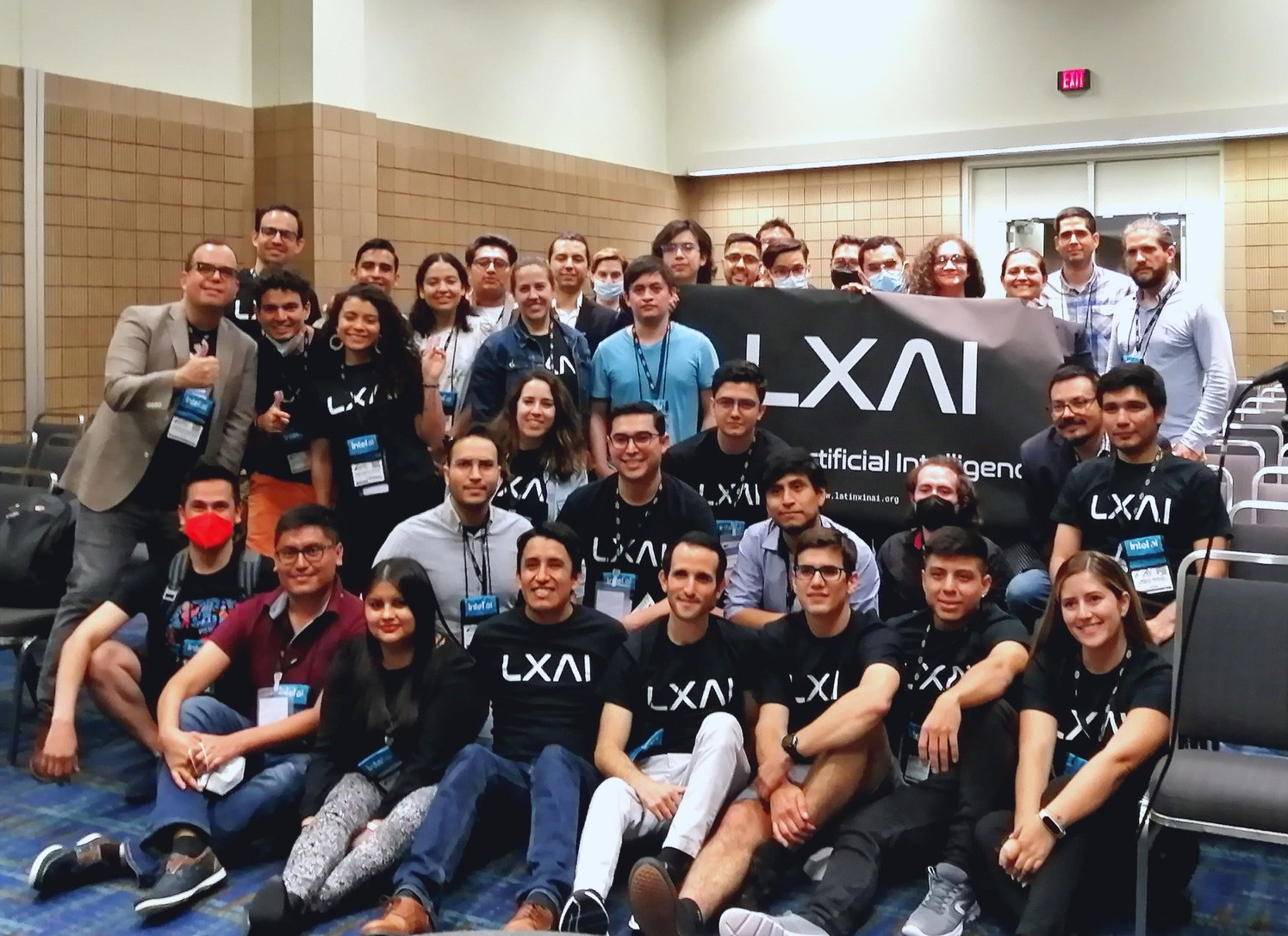
LatinX in CV (LXCV) Workshop at CVPR 2026
This is an official workshop of the LatinX in AI (LXAI) organization, known as LatinX in Computer Vision (LXCV) at CVPR.
The event will take place at the Denver Convention Center on June 3rd, from 8:00 am to 12:30 pm, in Room 106.

We look forward to seeing you there!
SCHEDULE
| Time | Duration | Activity |
|---|---|---|
| – | 30 min | Check-in & Registration |
| – | 10 min | Opening remarks |
| – | 15 min | Oral presentation: Jeffri Murrugarra Llerena |
| – | 15 min | Oral presentation: Julian Rosas Scull |
| – | 40 min | Keynote 1: Paula Ramos |
| – | 15 min | Oral presentation: Nestor Audante Ramos |
| – | 15 min | Oral presentation: Diana Aldana Moreno |
| – | 40 min | Keynote 2: Murilo Gustineli |
| – | 15 min | Oral presentation: Juani Bustos |
| – | 40 min | Mentoring & Sponsor Panel |
| – | 5 min | Closing remarks |
| – | 30 min | Poster session |
KEYNOTES
How to Understand Physical AI and World Foundation Models
Speaker: Paula Ramos
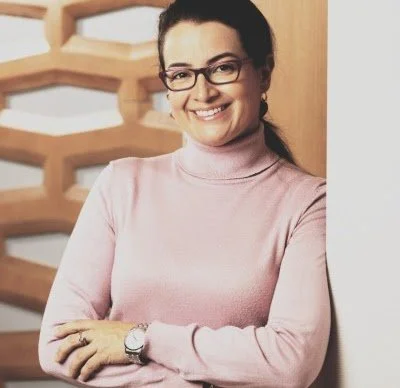
Abstract: As AI moves beyond text and images into real and simulated environments, concepts such as Physical AI and World Foundation Models are becoming increasingly important. This talk introduces these ideas through NVIDIA’s Cosmos framework, explaining how world models learn physics-aware representations for prediction, simulation, and decision-making in complex environments. The talk will highlight why this shift toward generative physical intelligence matters for robotics, autonomous systems, and digital twins.
Bio: Paula Ramos is a Senior Developer Relations Manager at NVIDIA and an AI and Computer Vision advocate. She holds a PhD in Computer Vision and Machine Learning and has over 20 years of experience building intelligent systems for real-world applications, including agriculture, robotics, healthcare, manufacturing, and visual data analytics. Her work focuses on practical and accessible AI, with expertise in edge AI, machine learning, computer vision, and developer communities.
Building a Culture of Applied Research: The DS@GT ARC Story
Speaker: Murilo Gustineli
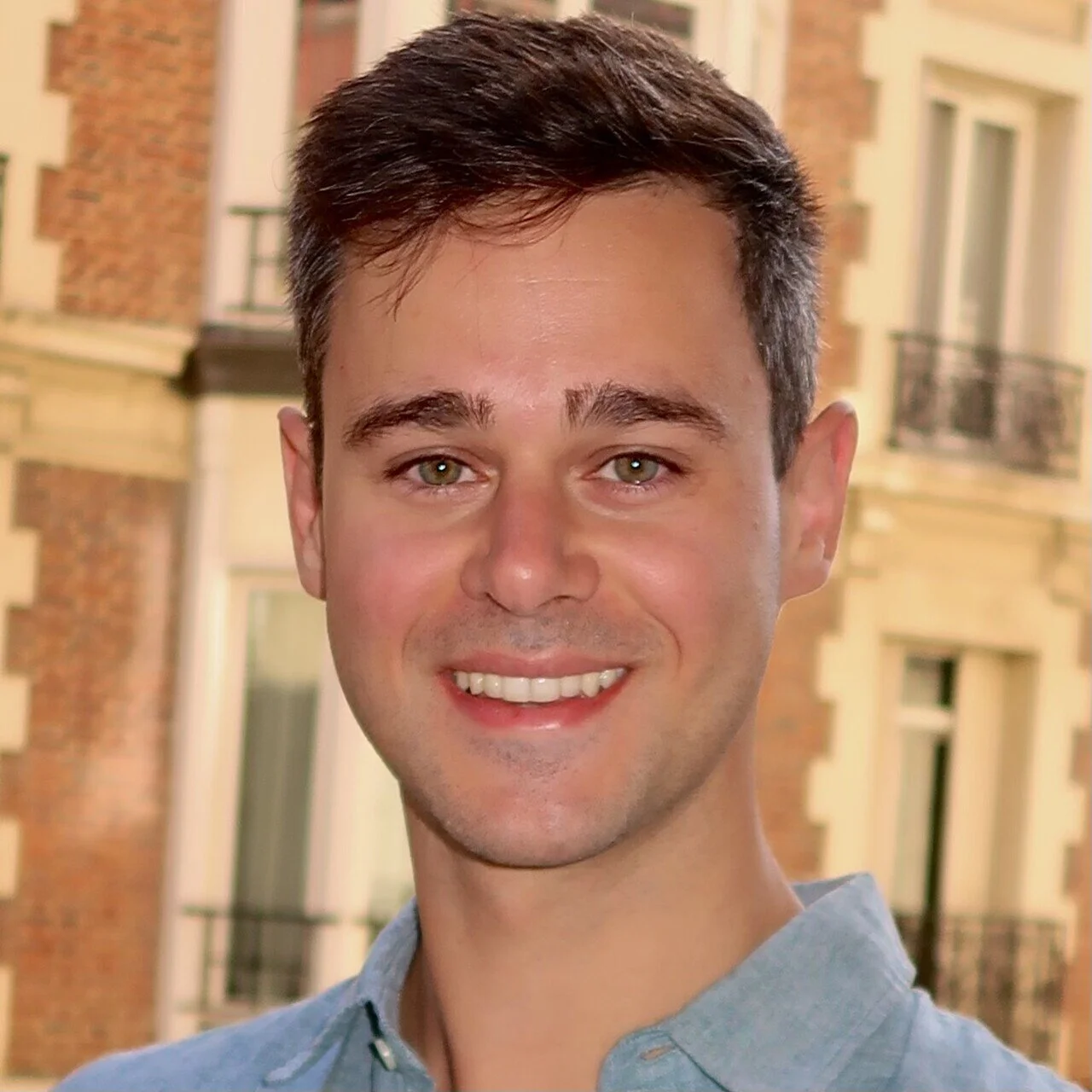
Bio: Murilo Gustineli is a Machine Learning Engineer at Voxel51 and an MS CS student at Georgia Tech. His work focuses on representation learning and computer vision, with applications in robust fine-grained recognition, bioacoustics, multi-label plant classification, and diffusion models. He also co-leads DS@GT Applied Research & Competitions, a student-run group supporting ML research through competitive challenges and peer-reviewed publications.
ACCEPTED EXTENDED ABSTRACTS
It Takes Two to Tango: Two Parallel Samplers Improve Quality in Diffusion Models for Limited Steps. Pedro Cisneros-Velarde (VMware Research)*
EgoGroups: A Benchmark for Detecting Social Groups of People in the Wild. Jeffri Murrugarra Llerena (Stony Brook University)*; Pranav Chitale (Stony Brook University); Zicheng Liu (Stony Brook University); Kai Ao (Stony Brook University); Yujin Ham (Rice University); Guha Balakrishnan (Rice University); Paola Cascante-Bonilla (Stony Brook University)
Towards Benchmarking Western Bluebird Detection in the Wild. Estela Monserrat Arriaga Santana (Universidad Nacional Autónoma de México); Julian Rosas Scull (Universidad Nacional Autónoma de México)*; Hugo Jair Escalante Balderas (Instituto Nacional de Astrofísica, Óptica y Electrónica); Ibeth P. Alarcón (Universidad Autónoma de Tlaxcala); Bibiana Montoya (Universidad Autónoma de Tlaxcala); Aylin Sosa Mejía (Universidad Autónoma de Tlaxcala)
BoardGameEmbed: Benchmarking Vision–Language Embeddings for Board Game Type Separability. Nestor Audante Ramos (Universidad Nacional de Ingeniería)*; Nils Murrugarra Llerena (University of Pittsburgh)
Benchmark of Multimodal Vision-Language Models for Damage Detection. Mariana Risco Cosavalente (Universidade Federal de Rio Grande do Sul)*; Emerson Herrera Tolentino (Universidad Tecnologica del Peru); Claudio Jung (Universidade Federal de Rio Grande do Sul)
PolypDINO: Adapting DINOv2 for Domain Generalized Polyp Segmentation. Mansoor Ali (Tecnologico de Monterrey)*; Francisco Javier Lopez Tiro (Tecnologico de Monterrey); Gilberto Ochoa Ruiz (Tecnologico de Monterrey)
Visual Explanations as Regularizers: Penalizing Spurious Attention in Early Training for Bias Mitigation. Estanislao Claucich (Research Institute for Signals, Systems and Computational Intelligence)*; Enzo Ferrante (Universidad de Buenos Aires); Rodrigo Echeveste (Research Institute for Signals, Systems and Computational Intelligence)
Adaptive Spatial Modulation in Sinusoidal Implicit Neural Representations. Diana Aldana Moreno (IMPA)*; Haoan Feng (University of Maryland); Tiago Novello (IMPA)
IMPORTANT DATES & LINKS
All deadlines are at 11:59 PM PST.
Extended Abstracts
March 31, 2026 - Submission deadline
April 17, 2026 April 20, 2026 (New date) - Notification of acceptance
April 24, 2026 - Camera-ready submission deadline
Undergraduate Consortium
March 31, 2026 - Application deadline
April 21, 2026 - Notification of acceptance
April 24, 2026 - Camera-ready submission deadline
May 30, 2026 - Virtual event
Important Links
Submission Site (Extended Abstracts and Undergraduate Consortium)
Reviewer Sign-Up Form (Extended Abstract Track)
lxcv-2026@latinxinai.org (Contact for any additional information)
Acknowledgments
The Microsoft CMT service was used to manage the peer-review process for this conference. This service was provided free of charge by Microsoft, which covered all associated expenses, including costs for Azure cloud services, software development, and support.
CALL FOR PARTICIPATION
The workshop is a half-day event with invited speakers, oral presentations, and posters. The event brings together faculty, graduate students, research scientists, and engineers for an opportunity to connect and exchange ideas.
While all presenters will identify primarily as LatinX, all are invited to attend.
Financial Assistance Policy
Please note that financial assistance for this year’s workshop is limited. Any available sponsorship will be reserved exclusively for conference registration fees and will be awarded to selected applicants based on the quality of their submissions.
Registration waivers are not guaranteed and may not be available for all accepted papers. We strongly encourage participants to apply for travel and attendance grants through their home institutions once their submission has been officially accepted.
CVPR has an open call for their BROADENING PARTICIPATION program to sponsor students, find more information and apply here: https://cvpr.thecvf.com/Conferences/2026/BroadeningParticipation
CALL FOR PAPERS
We strongly encourage students, postdoctoral researchers, and faculty who identify as LatinX and are working anywhere in the world across all areas of computer vision to submit their work. Submissions may describe new ideas, work in progress, as well as previously or concurrently published research.
We welcome theoretical and methodological contributions, as well as application-driven work. While the presenting author does not need to be the first author, we encourage submissions to clearly highlight the contributions of LatinX individuals—particularly that of the presenting author—in the abstract. Although the event primarily focuses on researchers who identify as LatinX, everyone is welcome to attend.
Topics of interest include all areas of computer vision and pattern recognition. For guidance, please refer to the topics covered by major conferences such as ECCV, ICCV, and CVPR.
Submission Types
Extended abstracts: Up to four (4) pages, excluding references. Submissions may present work in progress, exploratory or preliminary research, previously published work, or relevant computer vision applications for Latin America. Accepted papers in this track will not be included in the official CVPR workshop proceedings and may be submitted to other venues in the future.
Submission Guidelines
Submissions will be double-blind peer reviewed and must be submitted as a single PDF file. Papers must strictly follow the guidelines provided by the CVPR 2026 to avoid the risk of being rejected without consideration of their merits. Please download and use the CVPR 2026 Author Kit when preparing your submission.
Submissions must clearly state the research problem, motivation, and technical contributions. All papers must be self-contained and include all figures, tables, and references.
Important Information
Accepted papers may receive a CVPR registration waiver. All important dates and submission links are provided above.
UNDERGRADUATE CONSORTIUM
The Undergraduate Consortium (UC) hosted by the LatinX in CV Workshop will offer undergraduate students the opportunity to:
Present and receive feedback from researchers and academics on their current research, proposed final undergraduate projects, or ideas for future master’s or doctoral studies.
Network and forge connections with potential graduate advisors abroad and expand their professional network.
Access resources and guidance to support their academic and research development.
This UC will be held in conjunction with the LatinX in CV Workshop at CVPR 2026 and is open to students who are no more than two years away from graduation (no later than June 2028). The primary goal is to highlight proposals for final undergraduate projects and to help students build relationships for future graduate studies.
Participants are welcome to briefly discuss prior experience; however, the main focus should be on new ideas that have not yet been completed and would benefit from feedback. This may include, for example, a proposal for a final undergraduate project.
Students accepted into the UC will be expected to present their work virtually to receive feedback. They are also strongly encouraged to attend the LatinX in CV Workshop in person and present their work during the poster session. An extended post-workshop format linked to the LXAI forums will provide additional opportunities for continued feedback and discussion. The best presentation will be eligible for a prize.
Applications Instructions
Applicants must submit all required materials (detailed below) through CMT for consideration:
Personal Statement
Prepare a 2-page personal statement describing your interest in computer vision. Please address the following:
What are your research interests?
What leadership skills have you developed so far?
What barriers have you encountered, and how have you overcome them?
You may format your personal statement freely, as long as it includes your personal information and the title of your research project. A template is available here.
Research Statement
Applicants must also submit a 2-page research statement describing a project they may undertake as their final undergraduate project. The proposal should demonstrate feasibility and potential impact. Applicants are encouraged to reference prior experience in computer vision that supports their proposed work.
The scope of the research statement should be similar to a workshop extended abstract and may include:
Introduction
Background or related work
Proposed approach or preliminary methodology
Evaluation and experimental plan
Discussion and preliminary results (if available)
Conclusion
Please note the following requirements:
Include a descriptive title for your work (do not use “Research Summary”)
The workshop audience is knowledgeable in computer vision but may not be experts in your specific subfield. Introduce your topic at a high level so that a broad audience can appreciate your ideas.
The research statement MUST be exactly 2 pages, with one additional page permitted for references.
Use the CVPR 2026 Author Kit for formatting.
Do not submit a blind version. Include your name and affiliation in the manuscript.
More Information
Inquiries about the Undergraduate Consortium may be directed to the Program Committee at: lxcv2026-chairs@latinxinai.org
Organizers
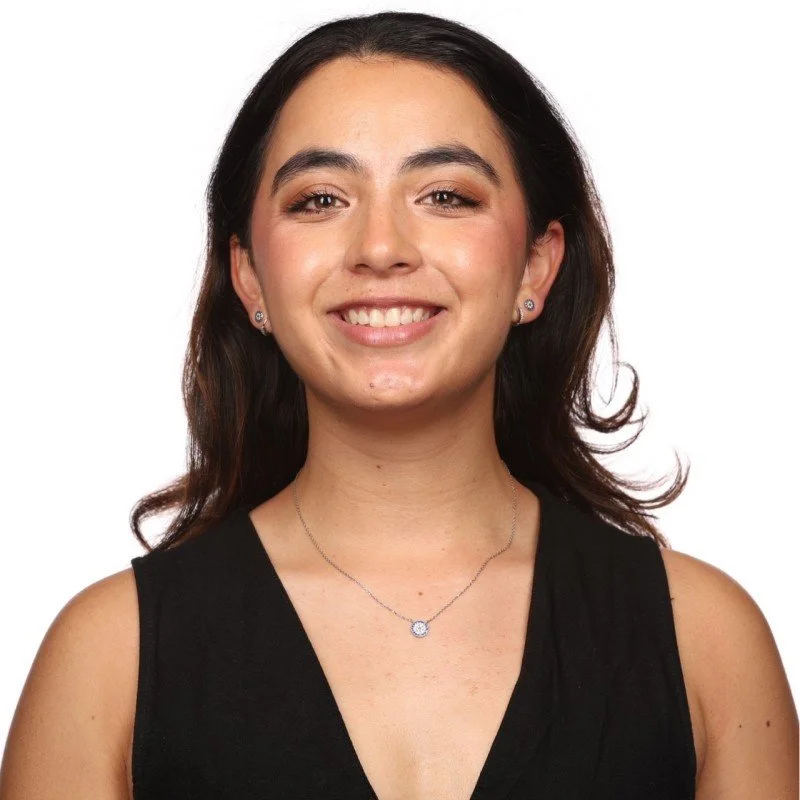
Ana María Quintero Ossa is a Program Manager and Machine Learning Engineer currently completing an MSc in AI for Sustainable Development at UCL. Her current research focuses on applying reinforcement learning to biodiversity restoration and habitat management, driven by a commitment to leveraging AI for environmental and social good. As a Committee Chair for LatinX in AI, she leads the end-to-end delivery of high-impact workshops at premier conferences including CVPR, NeurIPS, and ICML.
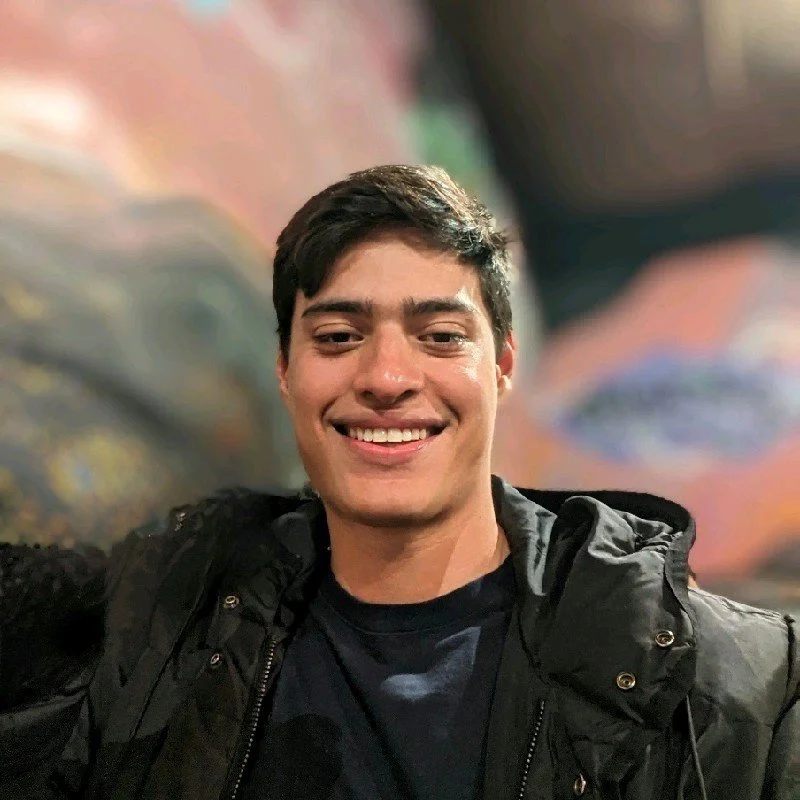
Abraham Ramos is a finance and accounting professional and researcher working at the intersection of artificial intelligence, financial management, and research dissemination. He serves as Accounting & Sponsor Liaison at Accel AI Institute, where he oversees budgeting, reporting, and financial operations for global AI initiatives and events. Abraham has managed the finance and sponsorship operations of LatinX in AI (LXAI) workshops at major conferences, including ICML, ICLR, CVPR, and NeurIPS. He is currently pursuing a Master’s-level specialization in Finance, with a strong focus on corporate finance, financial analytics, and the impact of AI on capital markets.
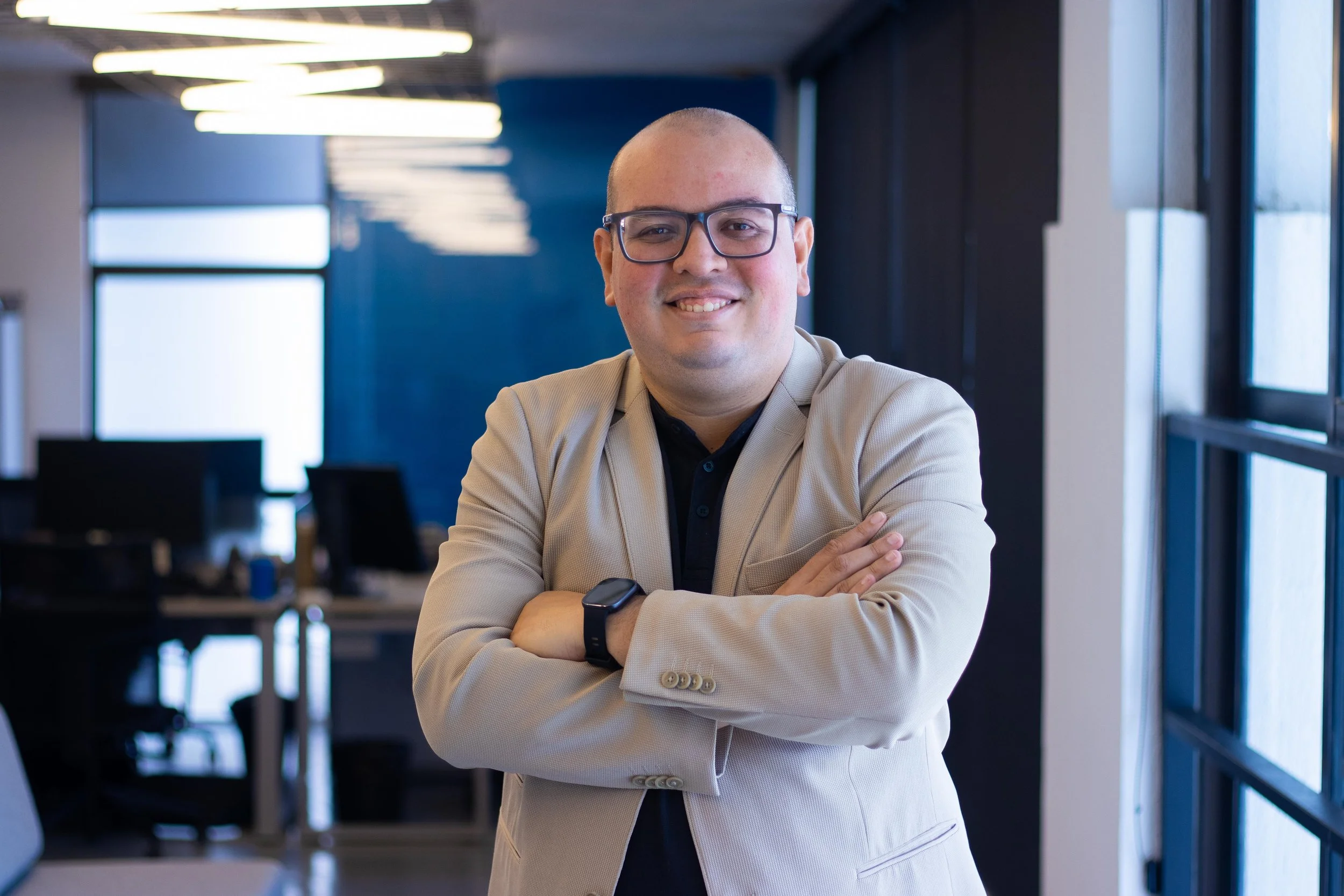
Dr. Willams de Lima holds a PhD in computer Science from the Federal University of Pernambuco, Brazil, and leads AI R&D initiatives at Voxar Labs. His research focuses on context-aware perception with an emphasis on multimodality, focusing on autonomous systems. Will collaborates with research partners worldwide, as well as industry partners including HP, Samsung, Volkswagen, and Stellantis.
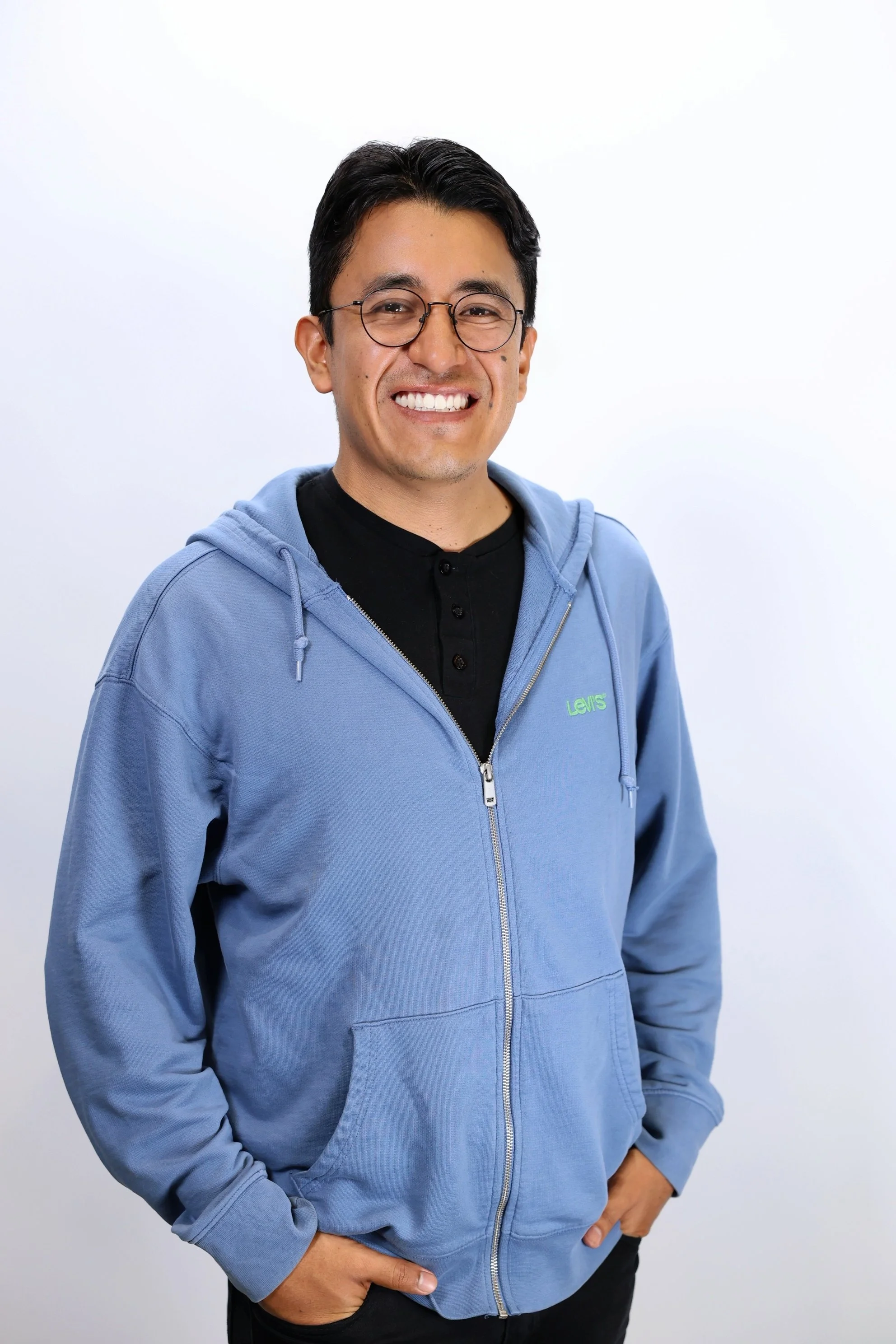
Francisco López-Tiro is a Ph.D. student in Computer Science at Tecnológico de Monterrey (Mexico) and Université de Lorraine (France), and a Lecturer at Tecnológico de Monterrey. He is an IEEE member and a researcher with the CV-INSIDE and CRAN laboratories. His research focuses on AI and computer vision for medical applications, especially the real-time identification of kidney stones from ureteroscopic images. He is actively involved in the research community through LatinX in Computer Vision (LXCV) and conferences such as CVPR, ICCV, ECCV, and ICML.
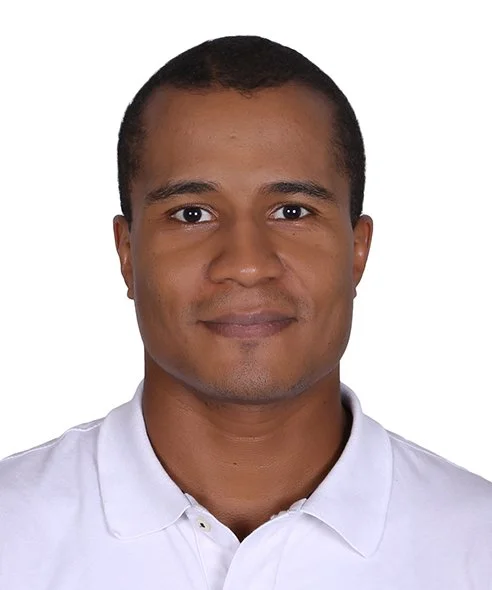
Hernan Benitez is a Machine Learning Engineer in the AI team at Edenmed , contributing to the research and development of advanced computer vision and NLP tools for medical imaging. His work focuses on fine-tuning models such as MedGemma 1.5 for automated medical report generation and architecting high-throughput ETL pipelines to process millions of radiological records into high-fidelity HTJ2K formats. Previously a Full Professor at Pontificia Universidad Javeriana until 2023 , Hernan holds a Ph.D. in Electrical Engineering and was a Fulbright Visiting Scholar at the University of Texas at Austin. An AWS Certified Machine Learning Engineer, he has published over 50 articles in prestigious journals and conferences , specializing in image processing and machine learning.
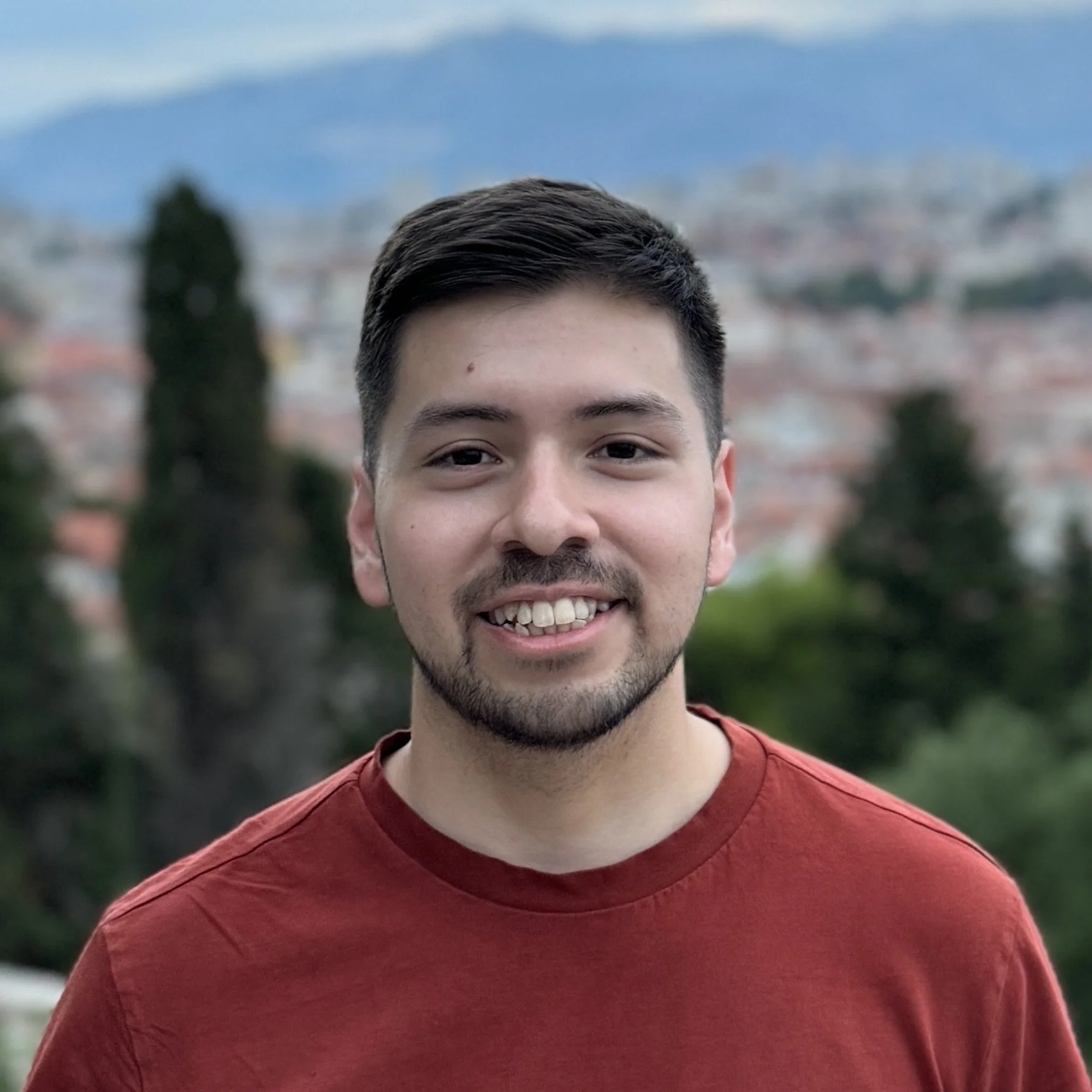
Dustin Carrión-Ojeda is a PhD student in the Image and Video Analysis Group (IVA) at TU Darmstadt, where he focuses on computer vision methods for learning from limited data and multiple modalities under efficiency and robustness constraints. His research centers on meta-learning for image classification and segmentation, as well as multimodal approaches for video understanding. He received his MSc in Artificial Intelligence from Université Paris-Saclay in 2022, and his BEng in Information Technology from Yachay Tech University in 2020.
OUR SPONSORS
If you are interested in becoming a sponsor, please send us a message at sponsor@latinxinai.org and we will follow up with more information.
PLATINUM

BRONZE